
Check your local water hardness, then ask your installer whether scale protection is appropriate for your system.
White crust on a shower head is easy to spot. What hard water is doing elsewhere is less obvious. For Coventry homes, here’s where to check and which questions to ask before choosing treatment.
Three things to know.
- Ask your installer about suitable scale protection
- Descale shower heads regularly with white vinegar
- Check your local water hardness level online
What limescale does
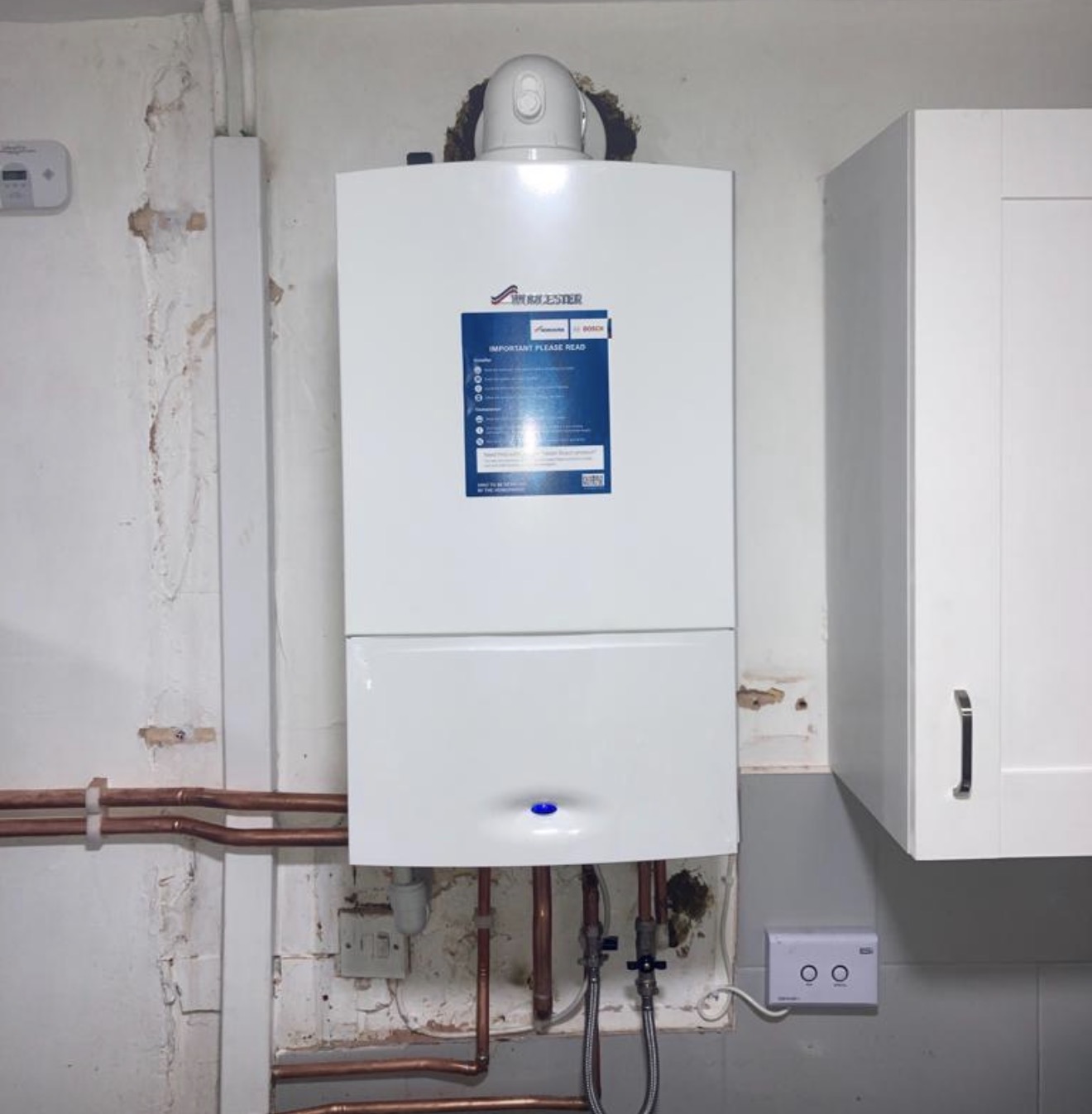
When hard water is heated, minerals drop out as scale. In a combi boiler that happens inside the plate heat exchanger which makes your hot water. Over time scale reduces hot water flow, causes temperature swings and can make the boiler noisy.
Shower heads, thermostatic cartridges and taps suffer too, which is why chrome can look dull quickly in harder-water areas.
Simple protection
Discuss these protective measures with your installer when planning a new boiler installation:
- A scale reducer on the cold mains feed to a combi boiler — many manufacturers expect one in hard-water areas.
- A magnetic system filter to catch debris in the heating circuit.
- Regular descaling of shower heads (soak in diluted white vinegar).
- An annual boiler service so problems are spotted early.
Find out how hard your water is
Your water company publishes water quality by postcode on its website. Enter your postcode, note the hardness figure, and mention it at your installation survey — it's a sign of a thorough installer if they ask about it themselves.
For appliance-specific steps, follow your boiler or product manual. Work inside a gas boiler must be left to a Gas Safe registered engineer.