
Bleeding removes air; balancing adjusts water flow. Record the pattern of uneven heating before changing valve settings.
The living room warms quickly while the back bedroom never quite catches up. In Great Barr, Hamstead and Handsworth Wood homes, the pattern can point to uneven flow — but check settings and trapped air before assuming balancing is needed.
Three things to know.
- Check room controls and blocked radiator airflow first.
- Record which radiators warm first during a normal cycle.
- Leave stiff, leaking or unfamiliar valves to an engineer.
The concept of 'Lazy Water'
Water is naturally 'lazy'—it follows the path of least resistance. Without balancing, the majority of the hot water from your boiler will circulate through the closest radiators and back to the boiler, leaving very little for the radiators at the end of the pipework run.
Balancing is the process of creating artificial resistance in the closer radiators using their 'lockshield' valves, forcing the water to travel further and heat the entire house evenly.
Identifying the Lockshield Valve
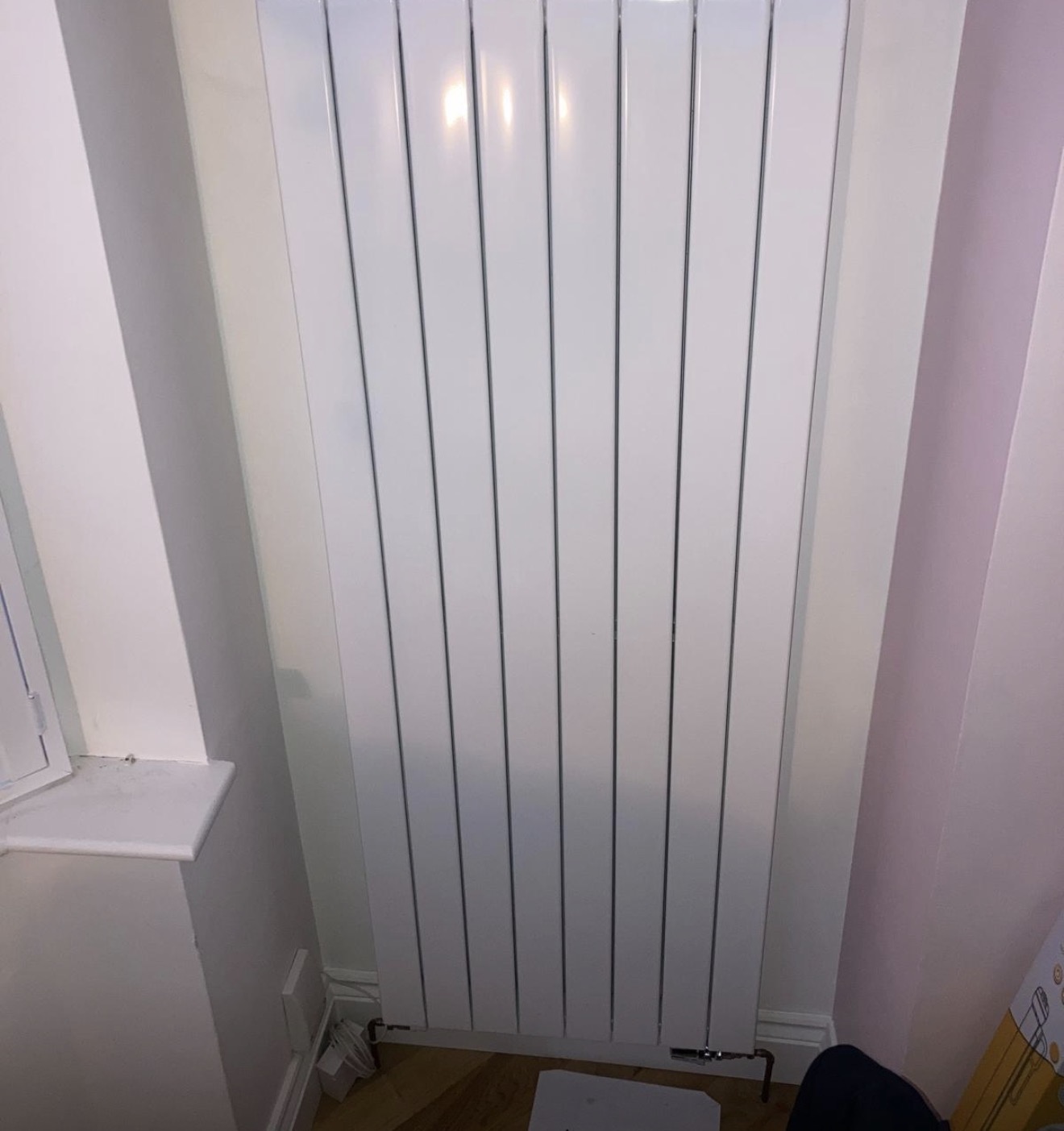
A radiator usually has a user control on one side and a balancing or lockshield valve on the other. Some valve designs differ, so check what is fitted rather than assuming every capped valve works the same way.
The user control adjusts the room temperature; the balancing setting affects flow through the radiator. Photograph existing settings before an engineer visits, and do not force stiff or leaking valves.
Map the cold rooms before changing valves
Observe a normal heating cycle with the heating controls set appropriately. Note which rooms warm first, which remain cool and whether a radiator is cold across its whole surface or only in one area. Avoid touching hot pipes.
Check furniture and curtains are not covering radiator controls and that room thermostats are not satisfied before the colder room warms. These simple observations can distinguish a controls problem from a flow problem.
- Cold near the top can suggest air.
- Cold lower areas can suggest deposits or restricted circulation.
- A completely cold radiator needs a valve, controls and flow assessment; it is not automatically sludge.
Why there is no universal quarter-turn setting
Balancing involves adjusting flow with reference to the system design and temperature measurements. The correct settings and temperature difference vary with the heating system, so a single number or fixed valve opening is not a rule for every home.
A heating engineer can check the pump settings, radiator outputs and controls as well as the lockshields. Randomly opening every valve can undo existing balancing and make the original problem harder to trace.
When you need a professional
Arrange an assessment if a room stays cold despite sensible control settings, a valve leaks or pressure repeatedly drops. Deposits, air, a stuck valve or pump issues can cause similar symptoms, and each needs a different remedy.
Do not assume every uneven system needs a power flush. The engineer should explain the diagnosis and appropriate cleaning or repair before work begins.
For appliance-specific steps, follow your boiler or product manual. Work inside a gas boiler must be left to a Gas Safe registered engineer.