Avoid oversized boilers; instead, match the output to your actual heating and water usage.
Two houses with the same number of bedrooms can need very different boilers. Before replacing yours in Shirley, Knowle, Dorridge or Olton, look at heat loss and how your household actually uses hot water.
Three things to know.
- Match boiler output to heat loss, not just the old unit
- Install thermostatic radiator valves for better control
- Schedule annual servicing to maintain the manufacturer warranty
Bigger isn't better
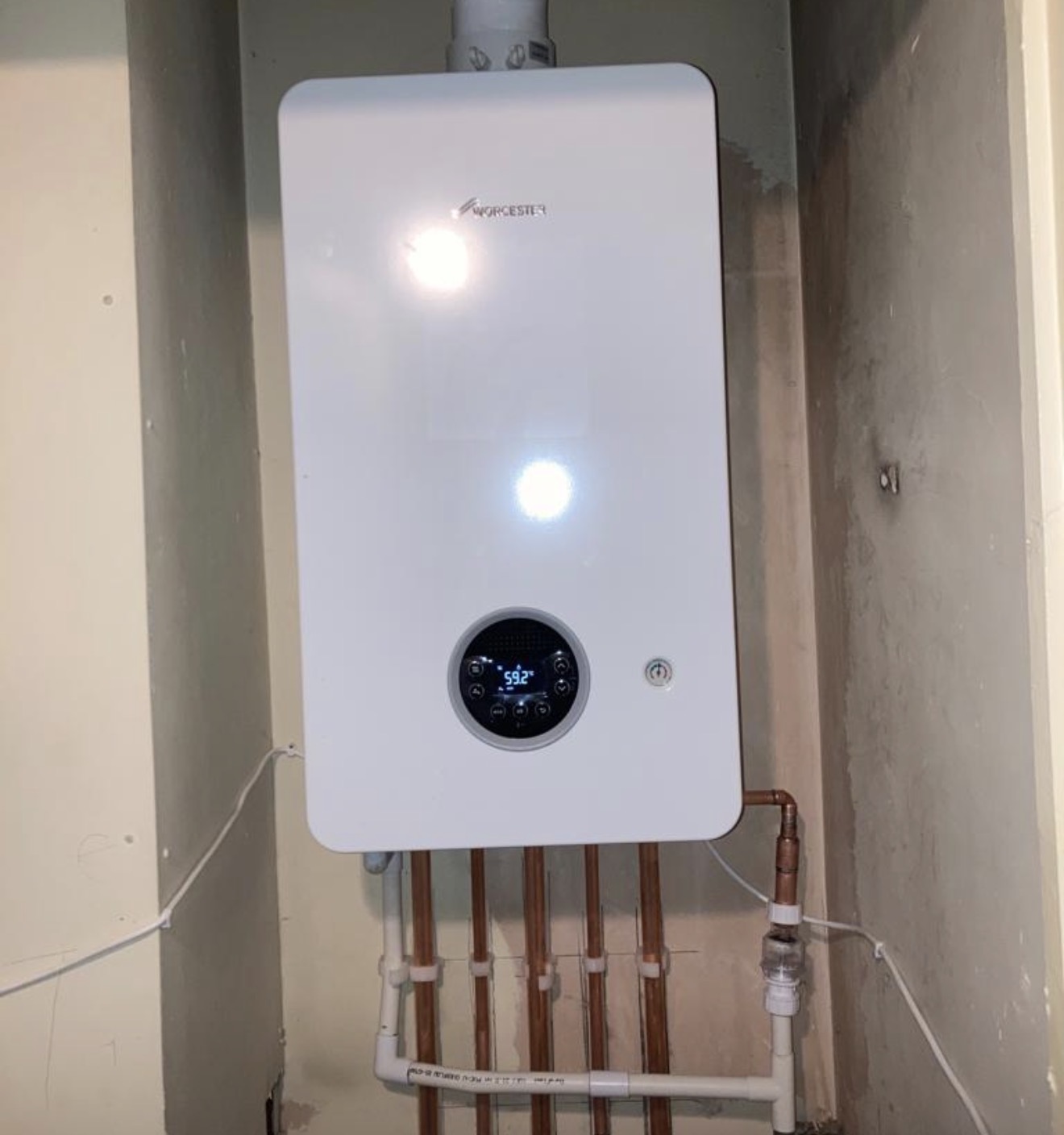
An oversized boiler switches on and off constantly (short-cycling), which wastes gas and wears parts. The right output is based on heat loss from the house and how much hot water you use, not on the number written on the old boiler.
When to keep the cylinder
Larger homes in Knowle and Dorridge with two or three bathrooms are usually better served by a system boiler and an unvented cylinder, so several taps and showers can run at once. Smaller homes with one bathroom are usually ideal for a combi.
Controls that make a difference
Suitable controls help the boiler respond to your household’s heating needs and reduce unnecessary heating:
- A programmable or smart room thermostat.
- Thermostatic radiator valves (TRVs) in each room except where the thermostat is.
- Weather or load compensation, which lets the boiler run cooler and more efficiently.
Keeping the warranty valid
Long manufacturer warranties normally require the boiler to be registered after installation and serviced every year by a Gas Safe registered engineer. Keep the paperwork and your benchmark checklist together — you'll need them if you ever make a claim.
For appliance-specific steps, follow your boiler or product manual. Work inside a gas boiler must be left to a Gas Safe registered engineer.