While soft water reduces scale, you still need a magnetic filter and inhibitor to prevent sludge.
Less limescale sounds like the end of the story. It isn’t. Softer water and radiator sludge are different issues — and understanding that difference helps you look after a Birmingham heating system.
Three things to know.
- Less scale does not mean the heating circuit is free of sludge
- Use an inhibitor to prevent internal radiator corrosion
- Maintain annual servicing to check for system debris
Less limescale
Soft water carries fewer dissolved minerals, so kettles, showers and boiler heat exchangers scale up far less than in hard-water areas. That's good news for combi boilers and thermostatic shower valves.
Do you need a water softener?
Most homes on the Elan Valley supply don't. If you've moved from a hard-water area, you'll notice soap lathers more easily. Check your own postcode on your water company's website, because supply can vary on the edges of the city.
Soft water doesn't mean no maintenance
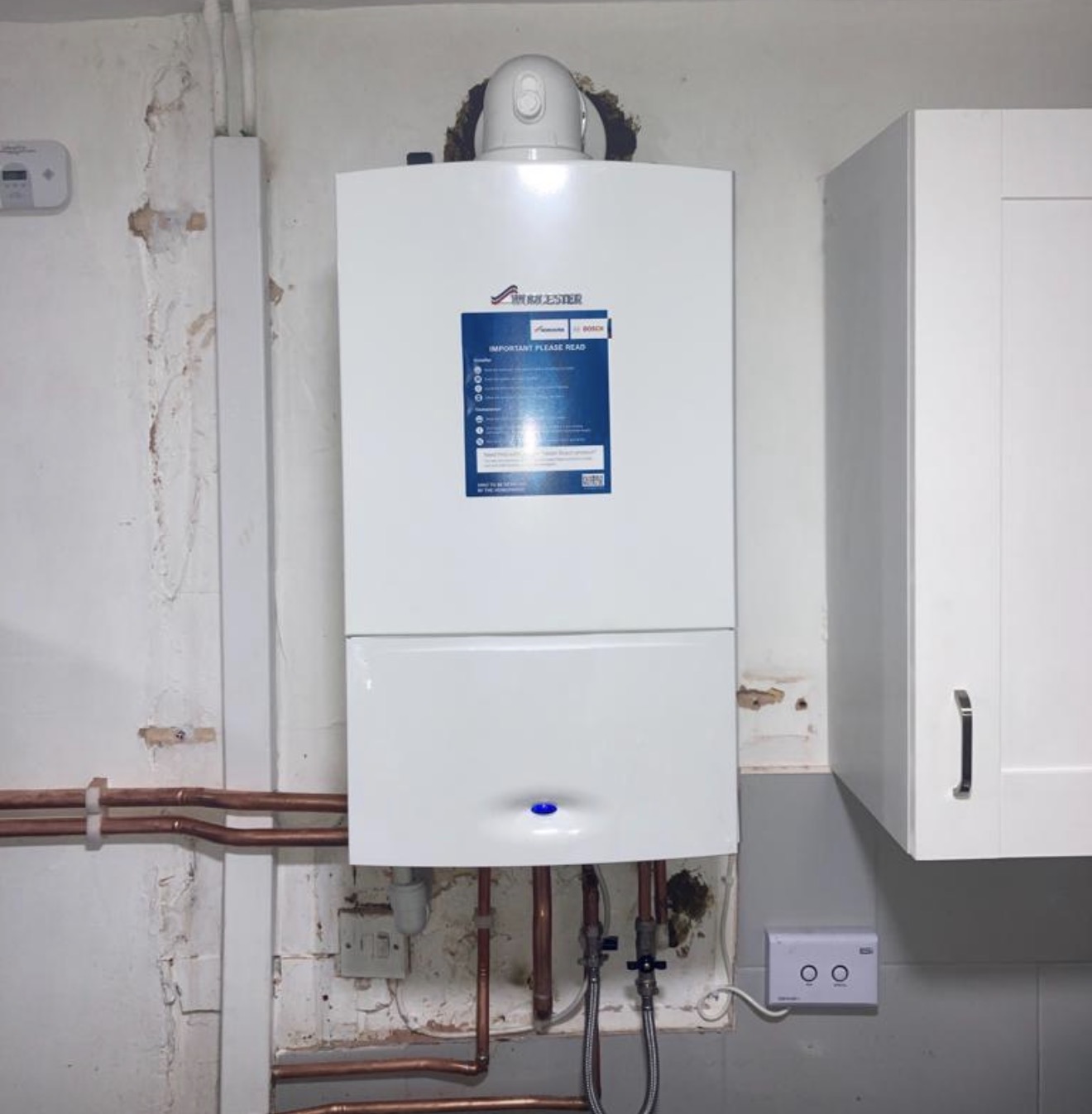
Heating systems still collect sludge from corrosion inside radiators, regardless of water hardness. An inhibitor in the heating water, a magnetic filter and an annual service remain the best ways to protect a boiler.
For appliance-specific steps, follow your boiler or product manual. Work inside a gas boiler must be left to a Gas Safe registered engineer.